
The Sleep-Mental Health Connection
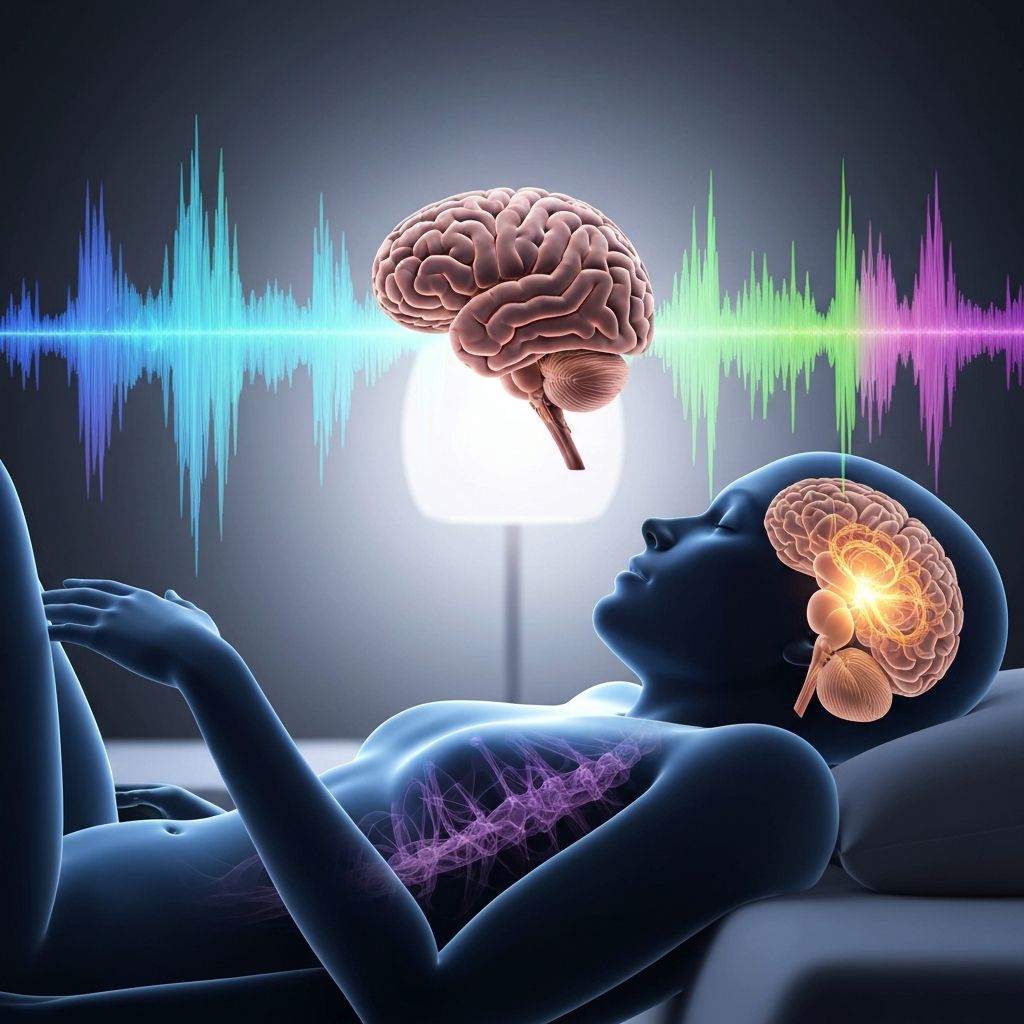
Sleep and mental health have a bidirectional relationship: poor sleep can contribute to mental health problems, while mental health issues can make it harder to sleep. Understanding this connection is key to breaking the cycle.
of depressed patients have insomnia
of anxiety sufferers report sleep problems
higher risk of depression with chronic insomnia
Sleep & Anxiety
Anxiety can make it difficult to fall asleep due to racing thoughts, while sleep deprivation increases activity in the brain's emotional centers, amplifying anxiety symptoms.
The Anxiety-Sleep Cycle
Worrying about not sleeping can actually prevent sleep, creating a self-fulfilling prophecy. Breaking this cycle often requires addressing both the anxiety and sleep habits.
Sleep & Depression
Depression can cause both insomnia and hypersomnia (excessive sleeping). Interestingly, improving sleep is one of the most effective ways to improve depressive symptoms.
Strategies for Improvement
- ✓Maintain a consistent sleep schedule
- ✓Practice relaxation techniques before bed
- ✓Limit screen time in the evening
- ✓Consider CBT-I for chronic sleep issues
- ✓Seek professional help if symptoms persist
Good News
Treating sleep problems often improves mental health symptoms, and vice versa. You don't have to solve everything at once—start with one area and the other often improves too.